
Go Play
Names explained

Murgi Wala Game, Chicken Cross, Chicken Road — Which Is Which

Play Chicken Road

One game has collected a dozen names, and two genuinely different games share most of them. This page sorts out which labels point at the lane-crossing cash-out build, which describe the free arcade ancestor, and how to tell in about thirty seconds.

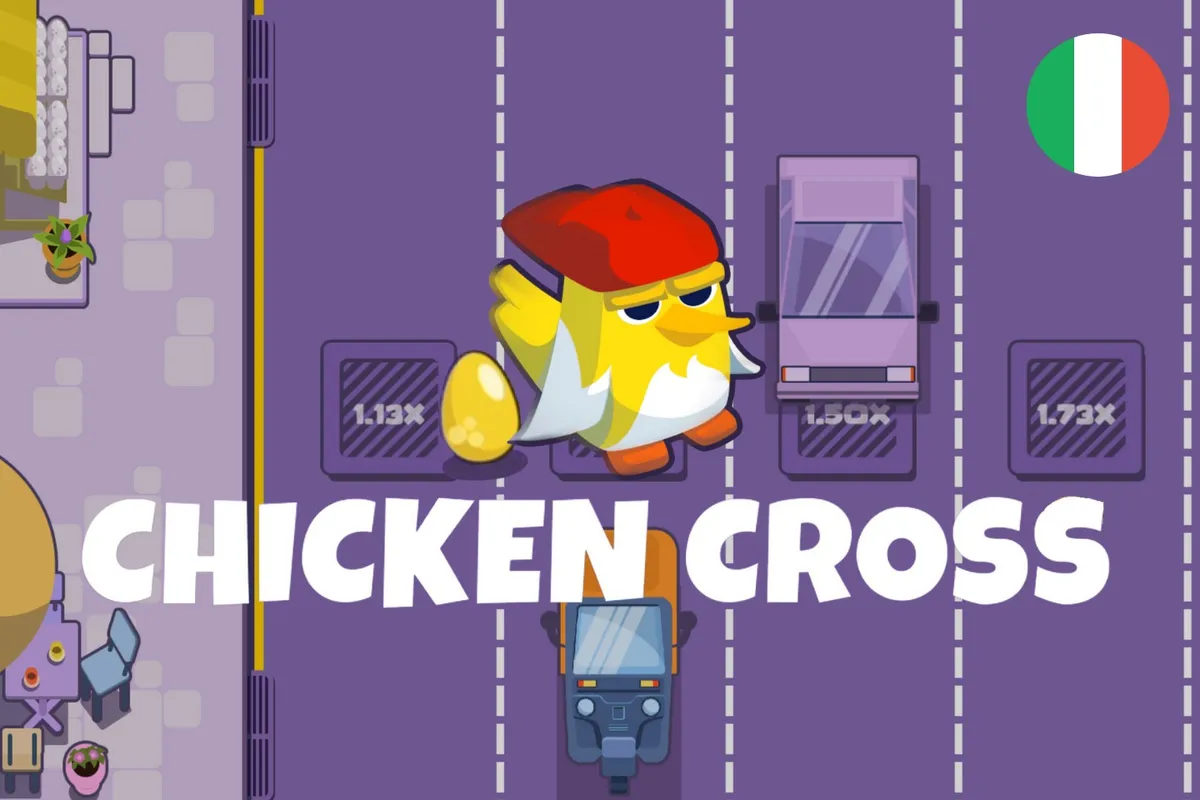
Chicken crossing a lane in front of a truck while carrying a golden egg
Same bird, same traffic, a dozen different names.
Name map

What Each Name Usually Means

"Usually" is doing real work here — names in this category are informal and nobody polices them.

Name
Points atWhich game
NotesWhat to expect
Murgi wala game The cash-out build, almost always. A descriptive nickname rather than a title. Expect stakes and a multiplier.
Murga wala / murgi game Same build. The rooster and hen get used interchangeably. No difference in the game. Different people, different word.
Chicken cross Either. Used for free arcade versions and for cash-out builds. Check for a stake selector — that is the whole distinction.
Chicken road The free arcade ancestor, usually. Also used loosely for the money version, which is where confusion starts.
Chicken roll The cash-out build. The name most consistently attached to the staked version.
Paisa wala chicken game The cash-out build, explicitly. The name is the disclosure: money is involved.
One engine

Three Signs You Are Looking at the Same Game Again

If all three are present, the name on the front is decoration.

Lane-by-lane advance with a rising number

The defining shape. If the chicken crosses one lane at a time and a multiplier steps up each time, it is the same mechanic whatever the logo says.

A manual cash-out button

Live from the first lane. This is what separates the staked format from the free arcade version, and no reskin removes it.

The same payout step per lane

Compare five demo rounds on the same difficulty. Matching step sizes mean the same payout table underneath two different names.

Chicken character mid-jump beside a single coin
Not the same

When It Really Is a Different Game

Free lane-crossing arcade games exist in large numbers and predate all of this. They have no stake selector, no multiplier and no cash-out button — you cross a road, you score points, you eventually get hit. Searching for a murgi wala game will surface plenty of them, and they are harmless entertainment with nothing to verify.

The other genuinely different category is the aviator-style multiplier game, occasionally listed alongside these because the cash-out mechanic is identical. Same decision, different costume: no lanes, just a rising number and a button. If you understand one you understand the other.

The test is not the artwork. It is whether the screen has a stake selector.

Why the Naming Is Such a Mess

Because the game spread through conversation rather than through a store. Nobody encountered it as a titled product on a shelf; they were sent a link by a cousin who called it the chicken game, or saw a clip captioned murgi wala. Descriptive nicknames are what happens when a thing arrives without a name attached, and they multiply because each language and region produces its own.

The commercial consequence is that all of those nicknames are available for anyone to target. A page can rank for murga wala game without any relationship to the operator, and a repackaged build can adopt a nickname nobody owns. That is why the practical advice in this whole category comes back to the same two checks: is there a stake selector, and does the payout step match a build you already trust.

Which Name to Use When Searching

If you want the staked version, "chicken roll" is the label most consistently attached to it. If you want the free arcade one, adding "free" or "arcade" filters most of the money builds out. And if a page uses several nicknames at once in its title — murgi wala, murga wala, chicken cross, 777 — it is written for a search engine rather than a reader, which tells you what to expect from the rest of it.

For the mechanics that all of these names describe, see the chicken roll game guide. If you want the full assessment of whether the staked version is worth playing at all, the review gives our verdict with the reasons attached.

Names FAQ

Nearly always, yes. Murgi wala is a descriptive nickname for the lane-crossing cash-out game rather than a separate product. Confirm it by looking for a stake selector and a manual cash-out button — both present means the same mechanic.

Chicken road usually refers to the free arcade format with no stakes; chicken roll is the version with a stake and a rising multiplier. The names get used loosely in both directions, so the reliable test is whether money can be staked on screen.

No. Rooster and hen get swapped freely in the nickname and the game behind both is the same. Nothing about the build changes with the word.

Look for a stake selector and a cash-out button. Free arcade games have neither — you cross lanes for points until you are hit. If the screen lets you choose an amount before the round, money is involved.

Most do not — they are the same client with new artwork. Some have a reduced multiplier step per cleared lane, which is invisible unless you compare five demo rounds against a build you already trust. That comparison is the only reliable answer.

This website is for informational purposes only and is not a gambling operator: we do not accept bets or payments. 18+. Gambling involves risk and may lead to addiction — please gamble responsibly. Information (bonuses/terms/licenses) may change: check current rules on the operator’s website. We are not responsible for decisions and financial losses related to the use of third-party services.