Go Play
Version tracking

Chicken Roll Game Latest Version — From the 2025 Builds to Now

Play Chicken Road

"Latest" is the most misused word around this game. Most people searching for it do not want a newer build, they want the one that works — and the two are frequently different things. Here is what actually changed, and how to tell which version is on your screen.

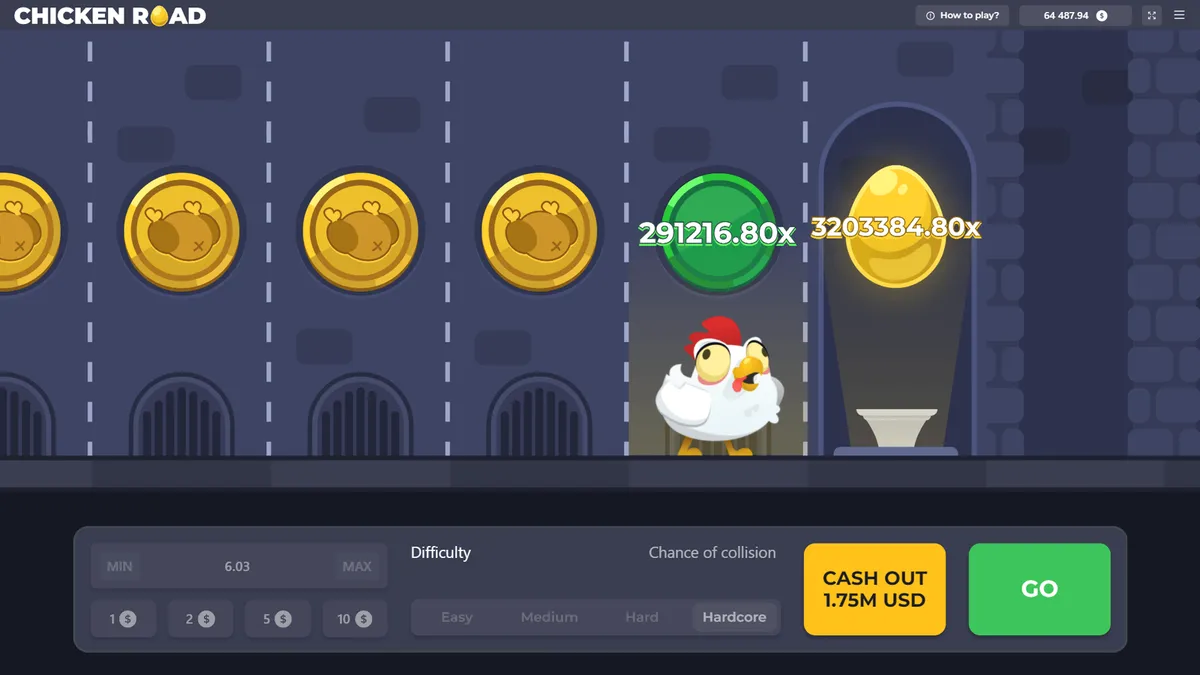
Board showing a 291216.80x multiplier and a 17594 cash-out
Interface details change between builds; the mechanic never has.
Timeline

What Each Wave of Builds Actually Changed

Four stages, and only one of them changed how a round plays.

  1. 01

    2022 to 2023 — the free arcade era

    Lane-crossing games with a chicken, no stakes, no multiplier. Worth mentioning only because the artwork and the lane layout everybody recognises were fixed in this period, long before money entered the picture.

  2. 02

    2024 — the cash-out mechanic

    The one genuinely important change in the game's history. A rising multiplier and a manual cash-out button turned the walk into a stake-based product, and search interest went from a trickle to tens of thousands a month.

  3. 03

    2025 — the 2.0 rebalance

    Difficulty presets, on-screen round history and a shorter comfortable opening. No new mechanic, but the pacing shifted enough that returning players had to move their exit lane.

  4. 04

    2026 — incremental tidying

    Interface polish, regional payment options, occasional adjustments to the preset curves. Nothing that changes how a lane resolves, which is why chasing the newest build is rarely worth the risk of a bad download.

Which build is this?

Identifying Your Version Without Trusting the Label

Filenames lie and mirror sites invent version numbers. These three markers do not.

The version string in settings

The only number worth reading, because it comes from the build rather than from whoever hosted the file. If a package advertises 2.9 and settings say something else, believe settings.

Difficulty presets present or absent

Presets mean a 2.0-era build. No presets means the original, which is not broken — merely older and slightly gentler in the opening lanes.

Round history on screen

Permanently visible history is the second 2.0 marker. Together with presets it identifies the newer generation more reliably than any number in a filename.

Desktop monitor showing the chicken roll game board and its volatility rating
Rollout

Why Two People Have Different Versions on the Same Day

Updates do not arrive everywhere at once. Operators stage them by region, store listings update on their own schedule, and web builds can be ahead of installed ones or behind them depending on who deployed what. None of that is a fault, and none of it means somebody has a better game than you do.

What it does mean is that "the latest version" is not a single thing you can go and fetch. If your build lacks a feature a friend has, waiting is almost always the correct response. Hunting for a file that promises the missing feature is how people end up installing something that was never made by the operator at all.

A missing feature is an inconvenience. A repackaged build with edited payouts is a loss. Never trade the first for the second.

Problem, cause, fix

When an Older Build Is Genuinely a Problem

Three cases. Only the third one justifies going looking for something newer.

Missing presets or history panel

CauseYou are on a pre-2.0 build, or the rollout has not reached your region.

FixNothing. The game plays correctly without them, the opening lanes are marginally kinder, and the features will arrive through a normal update.

Payment methods that no longer work

CauseRegional payment integrations change, and an old client can point at options an operator has retired.

FixUpdate through the same channel that installed it — the store listing or the operator's own site. Do not resolve a payment problem by sideloading a file from anywhere else.

The build no longer connects at all

CauseAn abandoned client whose endpoints were switched off, or a repackaged copy whose host disappeared.

FixRemove it and go back to the browser build, which is always current by definition. A dead client is also a good moment to check where the original install actually came from.

The "Latest Version" Trap

Search demand for the newest build is steady and almost entirely misdirected. Nothing in any update has changed a player's odds, because odds are set by the operator and resolved on their servers. What updates change is interface, pacing and payment plumbing. Meanwhile, the phrase "latest version" is a magnet for repackaged files, because it identifies someone who has already decided to install something and is looking for permission.

The safest habit is boring: let updates come to you through the channel that installed the build, and treat any file that arrives advertising itself as newer with the suspicion you would apply to any unsolicited download. The browser build sidesteps the question completely, since a web page cannot be out of date in the way a package can.

What We Watch For in a New Build

Three things, in this order. Whether the payout step per cleared lane has moved, because that is the only change that affects money directly. Whether the preset curves have been adjusted, since that shifts session shape without announcing itself. And whether anything about the cash-out control has changed position or timing, because that button is the whole game and a redesign of it is worth knowing about before a round rather than during one.

For the rules that have not changed across any of these versions, see the chicken roll game guide. For a detailed comparison of the two generations, the Chicken Roll 2 breakdown covers what the rebalance did to the early lanes.

Version FAQ

There is no single answer, because rollouts are staged by region and platform. The current generation is the 2.0 family, identifiable by difficulty presets and an on-screen history panel rather than by any number in a filename.

No. Updates have changed pacing, presets and interface details, never a player's odds. Anything claiming a newer build pays more is either marketing or a repackaged copy using the claim as bait.

Read the version string in the settings screen, then confirm behaviourally: presets and visible round history mean a 2.0-era build. Trust those two markers over any label on the file or the page you downloaded it from.

Staged rollout. Operators release regionally and store listings update on their own schedule, so two people can hold different builds on the same day. Waiting is the right response; hunting for a file that promises the missing feature is not.

Not inherently. It is worth replacing when payment options stop working or the client no longer connects, and worth updating through the original channel rather than a mirror. An old build that plays correctly is safer than a new one from an unknown source.

This website is for informational purposes only and is not a gambling operator: we do not accept bets or payments. 18+. Gambling involves risk and may lead to addiction — please gamble responsibly. Information (bonuses/terms/licenses) may change: check current rules on the operator’s website. We are not responsible for decisions and financial losses related to the use of third-party services.