Difficulty Settings and What They Really Change
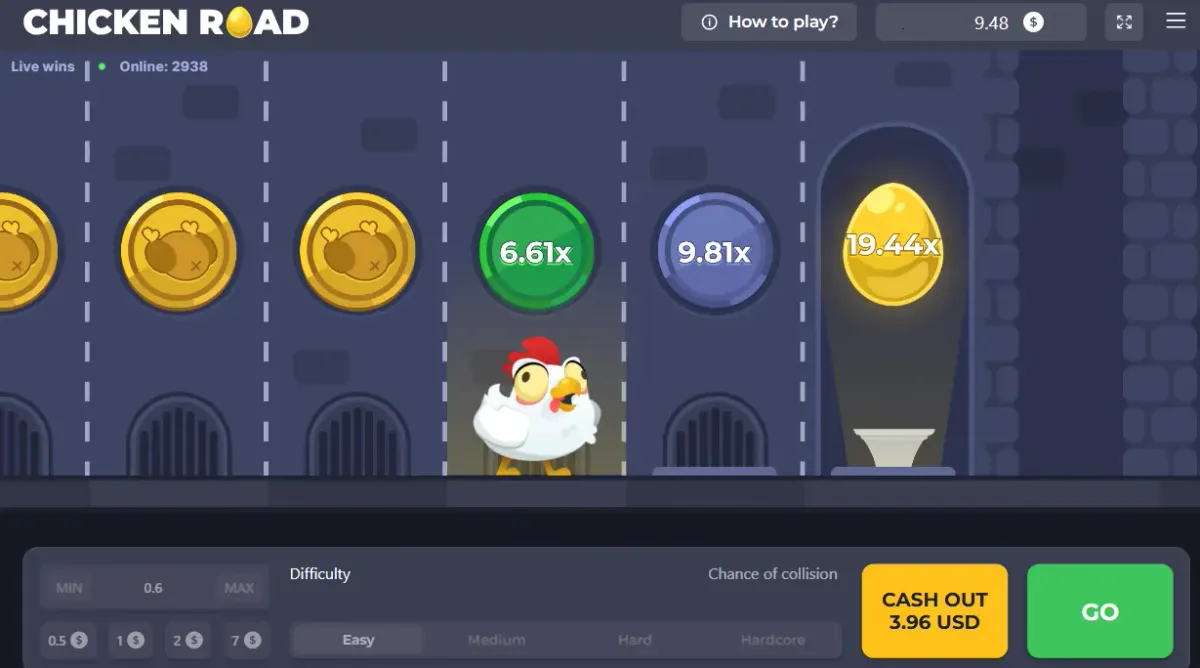
Newer builds let you pick a difficulty, and the choice matters more than it looks. A higher setting increases the multiplier step per cleared lane and increases the chance that any given lane ends the round. The two move together, which is the whole design: a bigger reward for a shorter expected run. Neither setting is generous and neither is a trick — they are different shapes of the same trade, and choosing one should be a decision about how long you want rounds to last rather than about how much you want to win.
Beginners are consistently better served by the lowest difficulty, not because it pays better but because it produces more decisions per session. More decisions means more practice at the only skill available, and a bad choice costs one small step instead of the whole round.
Sessions, Limits and Stopping
Set two numbers before you start: what you are willing to lose in total, and how long you intend to play. Both need to exist outside your head — in a note, on paper, anywhere you will actually see them. The game is very good at erasing the sense of time passing, because rounds are short, there are no loading screens, and nothing ever interrupts the rhythm to ask whether you meant to keep going.
If the rules still feel abstract, the round anatomy on the chicken roll game home page walks through a single round in more detail. And before staking anything, read what the game is and is not in the plain explanation — knowing that saves more money than any tactic.