
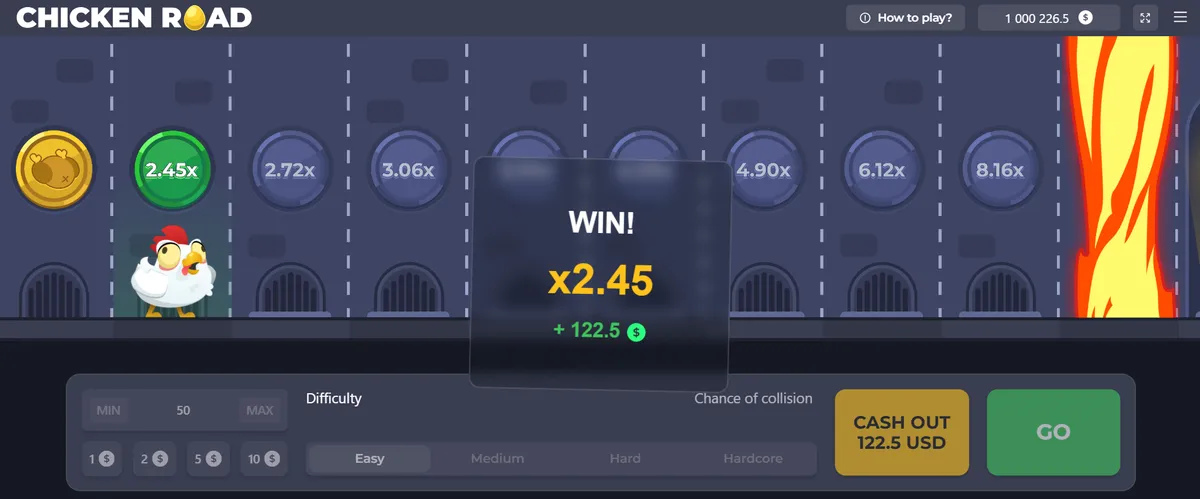
How We Tested
Three hundred plus rounds across the browser build and two installed clients, mostly at the lowest stake tier and the lowest difficulty, with stake, exit lane and outcome logged for each round. We ran the twenty-round fixed-exit drill twice in each build, compared payout steps between clients on matching difficulty settings, and read the withdrawal terms before depositing anything. We did not test high stakes, and we do not publish win totals — a few hundred rounds says nothing about long-run outcomes and quoting them would imply otherwise.
What the logs did show clearly is the shape of the trap: fixed-exit sessions finished consistently closer to break-even than improvised ones, and every session that ended badly involved a stake increase after a loss. That pattern was more predictable than anything the game itself did.
Who Should Skip It
Anyone treating it as income, anyone who needs the money back, and anyone who has previously found it hard to stop when a plan said stop. Also anyone whose only access is a forwarded install file — the game is not worth the exposure of an unsigned package with unknown permissions. The browser demo is available to everyone, costs nothing and answers most curiosity in fifteen minutes.
For the mechanics behind this assessment, the chicken roll game guide covers rounds, stake tiers and cash-out timing. If you want to start where the risk is zero, the demo notes explain the drill we used and what it teaches.