The Demo as a Verification Tool
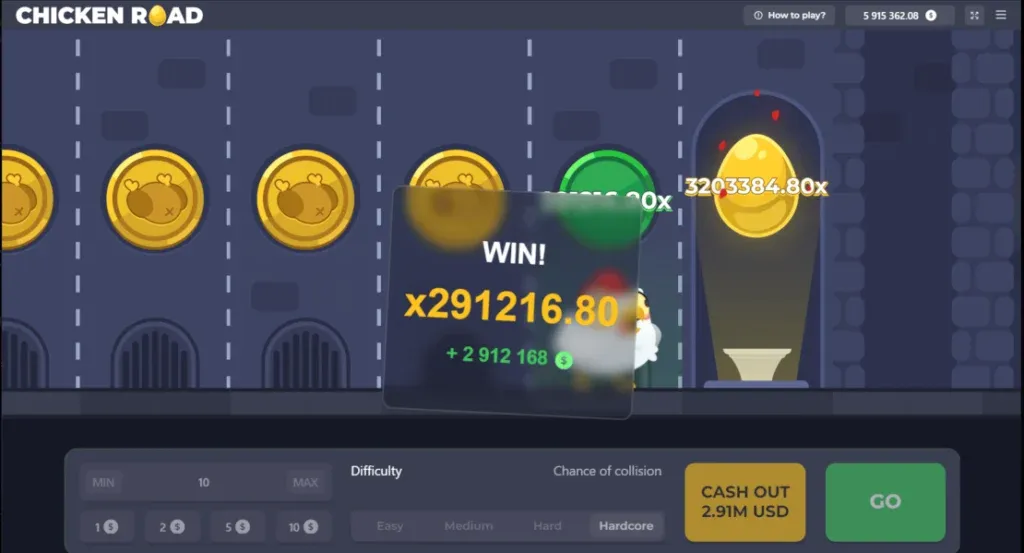
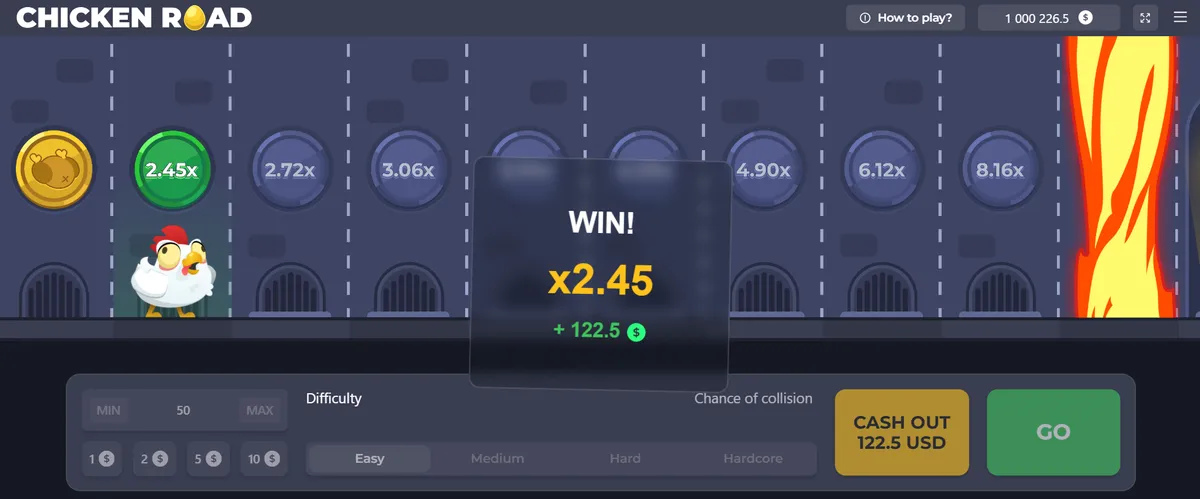
Most guides treat practice mode as a beginner's on-ramp and leave it there. Its more useful role is as a measuring stick. Because the multiplier steps are identical between practice and real rounds in an honest build, a few demo rounds give you a reference set of numbers you can carry to any other copy of the game. When a downloaded version pays less per cleared lane than that reference, you have caught an edited client in about ninety seconds without risking anything.
That is worth doing every time you open the game somewhere new — a different site, a new install, a link somebody sent. The check costs nothing and it inspects the only part of the build that actually takes your money.
How Long to Stay in the Demo
Until it is boring. That sounds flippant and is not: the demo stops being useful at the point where you know what each lane pays, you have run the drill twice, and nothing about a round surprises you any more. If you reach that point and find you no longer want to play for money, the demo has done you a considerable favour for fifteen minutes of your time.
For the mechanics behind what you are practising, the chicken roll game guide lays out lanes, stakes and cash-out timing in full. When you move on, the step-by-step playing guide covers the exit plan in more detail, including the three mistakes that end most sessions.